
A well-designed website is important for any business looking to establish credibility, attract customers, and drive conversions. However, as trends evolve and user expectations change, businesses need to periodically update their websites.
This guide on How to Plan for Your Philadelphia Small Business Website Redesign Project attempts to help businesses, particularly small businesses in Philadelphia and on the Main Line, navigate the website redesign process effectively.
By planning ahead, setting goals, and working with the right professionals, a small business website redesign can become a strategic investment rather than just an aesthetic upgrade.
1. Assess the Current Website
Before diving into a website redesign project, businesses should evaluate their current website’s performance and identify any areas for improvement. Take a realistic approach, ask yourself what’s working and what’s not.
Areas to Review
- User Experience (UX): Is the navigation intuitive? Are visitors able to find information quickly?
- Mobile Responsiveness: Does the site function well on different devices and screen sizes?
- SEO Performance: Are search engines ranking the website well? Identify low-performing pages.
- Load Speed: Slow websites frustrate users and impact SEO rankings.
- Conversion Rates: Review analytics to determine if the site effectively turns visitors into customers.

2. Define Redesign Goals
A business website redesign should have clear, measurable objectives. Without a set of defined goals, the website redesign project can easily go off track and result in wasted time and resources. Some of these goals might include:
Common Website Redesign Goals
- Improving user experience to reduce bounce rates and increase engagement.
- Enhancing mobile-friendliness for better accessibility.
- Optimizing for SEO to improve search engine rankings.
- Integrating new functionality such as e-commerce features or appointment scheduling.
- Rebranding to align with updated company messaging and visuals.
3. Identify the Target Audience
Understanding the primary users of the website helps shape your redesign strategy. Tailoring the new website to fit user behavior and preferences is essential for improving engagement and achieving conversion goals. Businesses should consider:
Common Website Redesign Goals
- Demographics: Age, location, and profession of the typical visitor.
- User Intent: Are visitors looking for information, services, or direct purchases?
- Pain Points: What challenges do users face on the current website?
- Competitor Analysis: How do competitors’ websites perform, and what can be improved?
A user-centered approach ensures that the new design caters to the audience’s needs and expectations.
4. Plan the Website Structure and Content
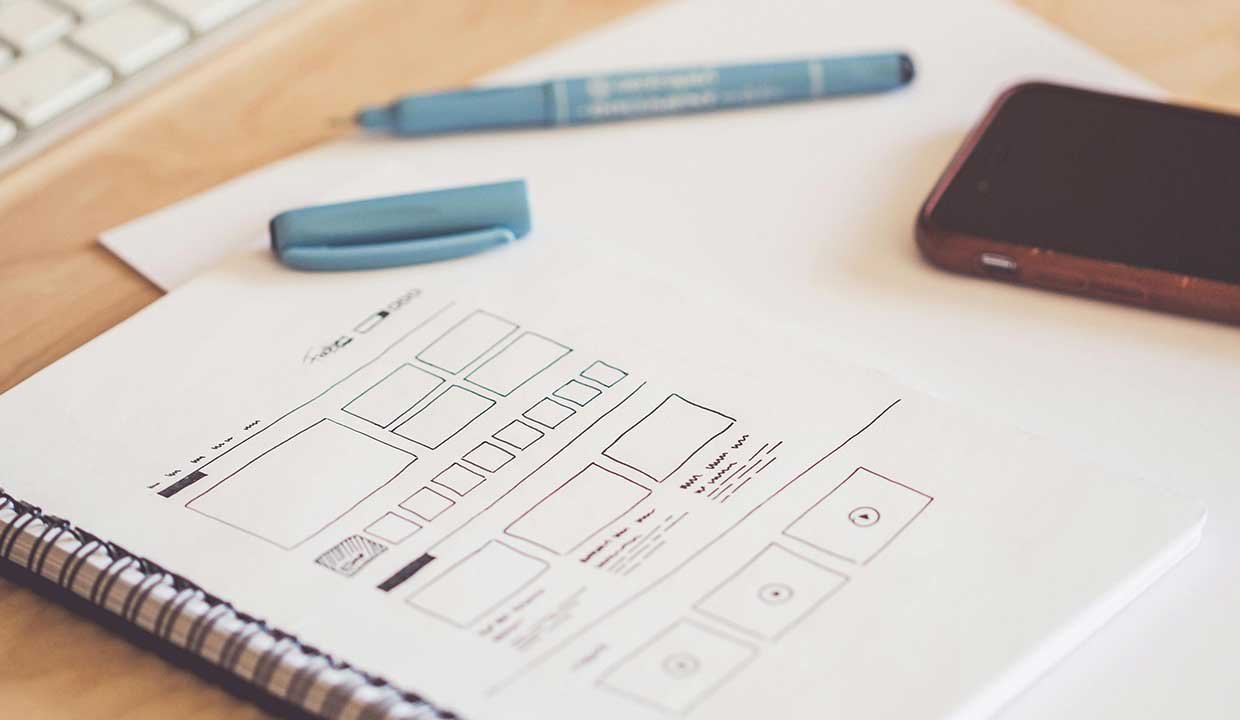
A successful business website redesign in Philadelphia includes well-organized navigation and engaging content. A streamlined structure not only enhances usability, it also helps improve local SEO and supports site performance overall.
Steps to Improve Structure
- Sitemap Creation: Outline the main pages and subpages for better organization.
- Navigation Simplification: Reduce unnecessary clicks and prioritize key pages.
- SEO-Optimized Content: Refresh outdated content with relevant keywords.
- Call-to-Action (CTA) Optimization: Ensure CTAs are clear, compelling, and strategically placed.
5. Choose the Right Philadelphia Small Business Web Design Partner
Partnering with an experienced web design provider ensures professional execution. The right partner brings technical expertise, creative vision, and project management skills to bring the new site to life efficiently.
Factors to Consider
- Experience in Business Website Redesign: Look for portfolios showcasing similar projects.
- Industry Expertise: Agencies familiar with small business website redesign in Philadelphia Main Line can provide local insights.
- Customization Capabilities: Ensure the redesign aligns with the brand’s identity and business goals.
- Technical Expertise: Choose a partner skilled in WordPress, e-commerce, or any required CMS platform.
- Post-Launch Support: Confirm ongoing maintenance and support options.
6. Test and Launch
Before going live, thorough testing ensures a seamless user experience. Skipping this step can lead to usability issues and missed opportunities to make a strong first impression.
Essential Pre-Launch Tests
- Cross-Browser Compatibility: Check website functionality on Chrome, Firefox, Safari, and Edge.
- Mobile Responsiveness: Test on various devices and screen sizes.
- Page Load Speed: Optimize images and minimize scripts for faster performance.
- SEO Audit: Ensure metadata, alt text, and structured data are correctly implemented.
- Security Measures: Install SSL certificates and update plugins to prevent vulnerabilities.
Once testing is complete, launch the website and monitor performance closely.
7. Post-Launch Optimization
A website redesign doesn’t end at launch—it requires continuous improvements to perform well over time. Monitoring and refining the site post-launch helps sustain growth and optimize the return on investment.
Optimization Strategies
- Monitor Analytics: Track visitor behavior using Google Analytics.
- Gather User Feedback: Encourage customers to report any usability issues.
- Regular Content Updates: Keep blog posts, product pages, and resources fresh.
- SEO Adjustments: Modify strategies based on ranking performance.
Key Takeaways
A successful Philadelphia website redesign isn’t just about visual upgrades—it’s a strategic decision that can improve user experience, boost search engine rankings, and enhance brand credibility.
Start by assessing the current site and setting clear, measurable goals. Understand your target audience and plan a well-organized site structure, and build a more effective digital presence.
By choosing the right web design business partner, thoroughly testing the site before launch, and continuously optimizing it post-launch, you’ll set your new website up for long-term success.
With thoughtful planning and expert execution, a small business website redesign can become a powerful asset for growth.
FAQs
By following these steps, businesses can ensure a smooth and successful website redesign that enhances user experience, improves SEO, and supports long-term growth.


